FDA Clears Insilico Medicine’s AI-Designed Parkinson’s Drug ISM8969, Marking a Major Milestone for AI-Driven Drug DiscoveryYour blog post
Insilico Medicine receives FDA IND approval for ISM8969, an AI-designed oral Parkinson’s drug targeting neuroinflammation, marking a key milestone as a Phase I clinical trial begins and highlighting the growing clinical validation of AI-driven drug discovery.
Introduction: A Quiet FDA Decision With Big Implications
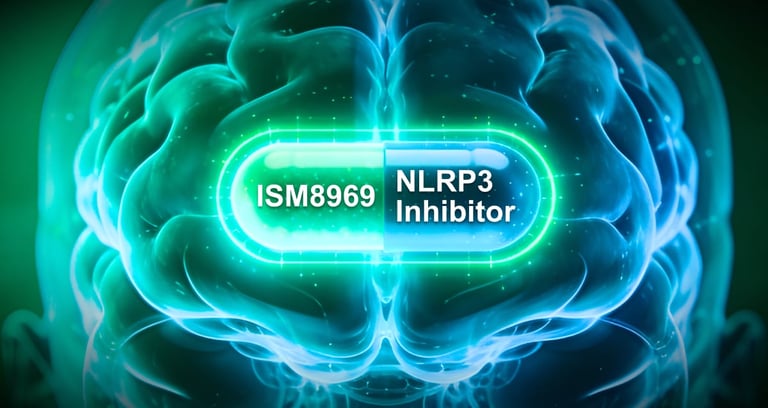
A single regulatory decision can sometimes say more about the future of an industry than years of hype. In early 2026, Insilico Medicine received FDA Investigational New Drug (IND) clearance for ISM8969, an AI-designed oral small-molecule inhibitor targeting neuroinflammation in Parkinson’s disease. With this approval, Insilico has officially initiated a Phase I clinical trial, moving another AI-discovered molecule from algorithms into human testing.
This development is significant not because Phase I trials are rare—they are routine—but because ISM8969 was discovered, designed, and optimized using an AI-first platform. The FDA’s green light reinforces a growing regulatory acceptance of AI-enabled drug discovery while highlighting how artificial intelligence is transitioning from experimental promise to clinical reality.
At the same time, this milestone arrives amid broader debates about whether AI can truly accelerate drug development beyond early discovery. The ISM8969 trial offers a real-world test of that thesis.
The Regulatory Milestone: What the FDA IND Approval Means
An IND clearance from the U.S. Food and Drug Administration authorizes a company to begin testing an investigational drug in humans. For ISM8969, this means:
First-in-human clinical exposure
Formal safety and tolerability assessment
Pharmacokinetic and pharmacodynamic profiling
Transition from preclinical promise to clinical accountability
For AI-designed drugs, IND approval carries added symbolic weight. It signals that regulators are comfortable evaluating molecules whose origins are computational, as long as the supporting data meets established scientific and safety standards [1].
Understanding ISM8969: An AI-Designed Oral Therapy for Parkinson’s Disease
Targeting Neuroinflammation in Parkinson’s
Parkinson’s disease has long been defined by dopamine neuron loss and motor dysfunction. However, mounting evidence suggests that chronic neuroinflammation plays a central role in disease progression, contributing to neuronal death and symptom worsening.
ISM8969 is designed to inhibit NLRP3-mediated inflammatory signaling, a pathway increasingly implicated in neurodegenerative disorders. By modulating this pathway, the drug aims to:
Reduce neuroinflammatory cascades
Protect vulnerable neurons
Potentially slow disease progression rather than merely treat symptoms
Unlike many Parkinson’s therapies that focus on dopamine replacement, ISM8969 represents a disease-modifying strategy, an area of high unmet need.
Why an Oral Small Molecule Matters
Many emerging neuroinflammation therapies rely on biologics or invasive delivery methods. ISM8969 stands out as:
Orally administered
Small-molecule based
Potentially suitable for long-term chronic use
If successful, this profile could offer advantages in patient compliance, manufacturing scalability, and global accessibility.
The AI Discovery Engine Behind ISM8969
Insilico Medicine’s platform integrates:
Deep learning–based target identification
Generative chemistry models
Predictive ADMET optimization
Automated design-make-test-learn cycles
According to company disclosures, AI models were used not only to identify the inflammatory target but also to design and optimize ISM8969’s molecular structure, balancing potency, safety, and drug-like properties before entering the lab [2].
This end-to-end AI involvement differentiates ISM8969 from earlier “AI-assisted” drugs that relied heavily on traditional medicinal chemistry after initial computational steps.
From Algorithm to Clinic: Why This Transition Is Critical
Many AI-discovered compounds never leave the preclinical stage. The transition of ISM8969 into Phase I is therefore a filtering moment.
Why Phase I Is the Real Test
Preclinical success often reflects:
Strong target engagement
Favorable animal data
Computational predictions
Phase I trials test something more fundamental:
Human safety
Metabolism in real patients
Dose-response behavior
Historically, a large fraction of drug candidates fail at this step. For AI-designed molecules, Phase I outcomes will shape investor confidence, regulatory trust, and industry adoption.
Broader Significance: What This Means for AI-Driven Drug Discovery
1. Regulatory Validation Is Catching Up With Technology
FDA clearance of ISM8969 reinforces a critical point: regulators evaluate data, not discovery methods. As long as AI-generated molecules are supported by rigorous experimental evidence, they are treated on equal footing with traditionally discovered drugs [3].
This lowers psychological and regulatory barriers for AI-native biotech companies.
2. AI Is Moving Beyond Oncology and Rare Diseases
Many early AI-drug programs focused on oncology or niche indications. Parkinson’s disease represents:
A complex, multifactorial neurodegenerative disorder
A large patient population
High clinical and biological uncertainty
Targeting Parkinson’s suggests growing confidence in AI’s ability to tackle biologically difficult diseases, not just well-mapped targets.
Comparing This Milestone With Other AI-Discovered Drugs
Insilico Medicine has already advanced multiple AI-designed candidates into clinical testing across fibrosis, oncology, and inflammation.
ISM8969 adds to a small but growing list of AI-originated molecules that have crossed the IND threshold. Collectively, these programs suggest that:
AI can consistently generate clinic-ready molecules
Discovery timelines can be shortened meaningfully
Platform value is emerging, not just one-off successes
However, none have yet proven efficacy in late-stage trials—underscoring that clinical validation remains the ultimate gatekeeper [4].
Implications for Parkinson’s Disease Research
Parkinson’s disease affects millions globally, yet current treatments largely address symptoms rather than underlying pathology.
If ISM8969 demonstrates:
Acceptable safety
Clear biomarker engagement
Early signals of neuroprotective effect
It could validate neuroinflammation as a viable disease-modifying target, opening the door for a new class of Parkinson’s therapies.
Even partial success would represent progress in a field where breakthroughs have been frustratingly slow.
Investor and Industry Perspective
From an industry standpoint, this IND nod strengthens several narratives:
AI platforms are capable of producing regulator-ready assets
Capital invested in AI-biotech is translating into tangible milestones
Pharma partnerships with AI companies may accelerate
For investors, the focus will now shift from “Can AI discover drugs?” to “Can AI-discovered drugs succeed clinically?”
The answer will define valuations over the next decade.
Risks and Realities: Why Caution Still Matters
Despite optimism, significant risks remain:
Phase I trials assess safety, not efficacy
Neurodegenerative diseases have high historical failure rates
Inflammation modulation in the brain is biologically complex
AI can reduce early discovery risk, but it does not eliminate clinical uncertainty [5].
ISM8969’s progress will therefore be watched closely—not as proof that AI has solved drug discovery, but as evidence of whether it can improve the odds.
A Signal of Maturity, Not Hype
This milestone aligns with a broader trend: AI-drug discovery is entering a more sober, execution-focused phase.
Less emphasis is being placed on:
Algorithm demos
Abstract speed claims
More emphasis is now on:
IND filings
Human data
Reproducible clinical progress
In that sense, the ISM8969 trial represents maturation rather than marketing.
Looking Ahead: What Comes Next for ISM8969
Key milestones to watch:
Phase I safety and tolerability readouts
Pharmacokinetic data confirming oral exposure
Biomarker evidence of inflammatory pathway modulation
Decisions on Phase II trial design
Positive outcomes would not only advance ISM8969 but also strengthen confidence in AI-native discovery platforms as a whole.
Conclusion: A Small Trial With Outsized Impact
The FDA’s IND clearance for Insilico Medicine’s ISM8969 marks a meaningful step forward for both Parkinson’s disease research and AI-driven drug discovery.
While it is still early—and clinical success is far from guaranteed—the move from code to clinic underscores a powerful shift: AI is no longer just proposing molecules; it is delivering candidates ready for human testing.
If ISM8969 progresses successfully, it will stand as one of the clearest demonstrations yet that artificial intelligence can move beyond promise and become a reliable engine for therapeutic innovation.
References
Regulatory guidance on IND submissions and evaluation criteria
Company disclosures on AI-driven target discovery and molecule design
FDA perspectives on computationally designed therapeutics
Industry analyses of AI-discovered drugs entering clinical trials
Historical data on Parkinson’s disease drug development attrition rates