Biotech Momentum Builds Across Rare Diseases, Obesity Drugs, and Leukemia Deals, BioPharma Dive Roundup Shows
A BioPharma Dive roundup highlights growing biotech momentum across rare disease startup formations, obesity drug innovation, and new leukemia-focused deals, revealing key strategic trends shaping the biopharma industry in 2026.
Introduction: A Week That Captures Biotech’s Strategic Breadth
Biotechnology innovation rarely moves in a straight line. Instead, progress emerges simultaneously across vastly different disease areas, business models, and stages of development. A recent industry roundup from BioPharma Dive captures this reality clearly: new rare disease startups are forming, obesity drug development continues to accelerate, and fresh leukemia-focused deals are reshaping oncology pipelines.
Taken individually, these stories may seem disconnected. Viewed together, however, they reveal deeper structural trends shaping modern biopharma—how capital is flowing, where scientific risk is being taken, and why therapeutic focus areas like rare diseases, metabolic disorders, and hematologic cancers remain central to industry strategy.
This article synthesizes these developments, explaining why they matter and what they signal about the direction of biotech innovation in 2026.
Rare Disease Startups: Targeted Science, Focused Capital
Why Rare Diseases Continue to Attract New Companies
Despite serving small patient populations, rare diseases remain one of the most attractive areas for biotech startup formation. Recent weeks have seen multiple new companies launched with a narrow focus on single-gene or ultra-rare disorders.
The reasons are structural:
Clear genetic causality
Defined patient populations
Faster clinical endpoints
Regulatory incentives and exclusivity
Strong pricing power
For founders and investors, rare disease programs offer a clearer risk–reward equation than broad, heterogeneous diseases [1].
A Shift Toward Platform-Light Rare Disease Models
Earlier generations of rare disease biotechs often built large, multi-indication platforms. Today’s new entrants are increasingly asset-centric.
Key characteristics include:
One or two lead programs
Lean organizational structures
Heavy reliance on external manufacturing and CROs
Early partnership intent with larger pharma
This reflects a broader industry shift toward capital efficiency and speed, especially after years of volatile biotech funding cycles.
Obesity Drugs: Innovation Moves Beyond First-Generation GLP-1s
Obesity Remains the Industry’s Most Competitive Arena
Obesity drug development continues to dominate headlines, but the nature of innovation is evolving. The current wave is no longer about proving that GLP-1 drugs work—that debate is settled. Instead, the focus has shifted to:
Improved tolerability
Oral and long-acting formulations
Combination therapies
Expanded cardiometabolic benefits
Recent reports highlight continued progress across multiple obesity programs, reinforcing the idea that this is a multi-decade market, not a short-lived trend [2].
Why Smaller Biotechs Still Matter in Obesity
While large pharmaceutical companies dominate commercial GLP-1 products, smaller biotechs are playing a crucial role by:
Exploring next-generation mechanisms
Developing differentiated delivery technologies
Targeting specific metabolic subpopulations
These companies often serve as innovation feeders, with successful assets eventually licensed or acquired by pharma giants.
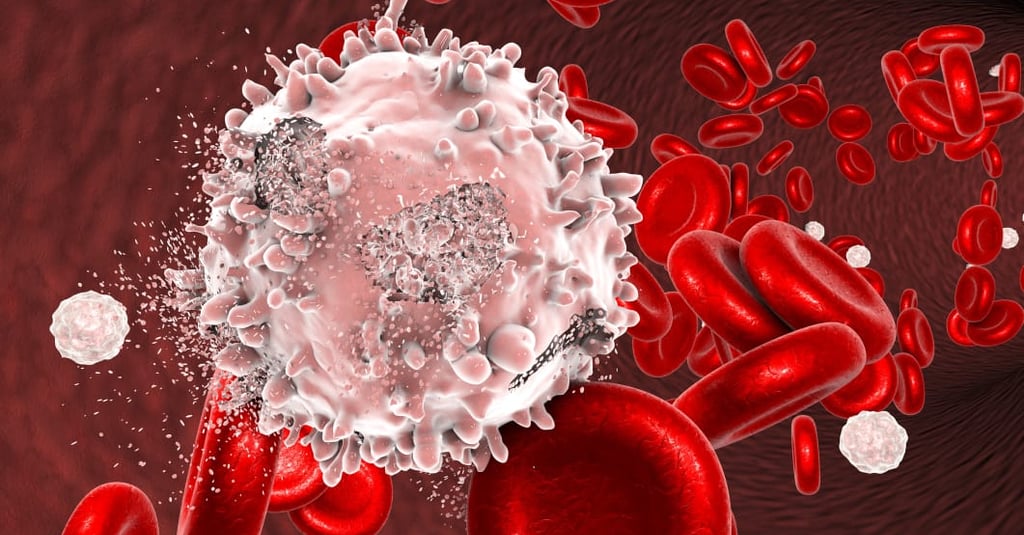
Leukemia Deals: Precision Oncology Drives Strategic Partnerships
Why Leukemia Remains a Deal-Making Hotspot
Hematologic cancers—particularly leukemia—continue to attract deal activity due to:
Well-characterized molecular drivers
Established biomarker strategies
Faster proof-of-concept trials
Strong precedent for premium acquisitions
Recent leukemia-focused agreements emphasize precision targeting, including novel kinase inhibitors, protein degraders, and immune-based approaches [3].
Deal Structure Trends in Leukemia
New leukemia deals increasingly feature:
Upfront payments balanced with large milestones
Risk-sharing development structures
Geographic licensing splits
Option-based acquisition frameworks
These structures allow large pharma companies to manage scientific risk while maintaining strategic flexibility.
What These Stories Reveal About Biopharma Strategy
Although rare diseases, obesity, and leukemia may appear unrelated, the underlying strategy connecting them is consistent.
1. Focused Science Wins
Whether addressing a rare genetic disorder or a molecular subtype of leukemia, success increasingly comes from precision, not breadth.
2. Capital Discipline Is Back
Across all three areas, companies are emphasizing:
Smaller teams
Clear development milestones
Early validation
Strategic partnerships
The era of “build first, justify later” has largely ended [4].
3. Pharma Is Outsourcing Early Risk
Large pharmaceutical companies are increasingly comfortable:
Letting startups take early discovery risk
Entering programs at proof-of-concept
Paying premiums only after data emerges
This dynamic supports continued startup formation—even in challenging funding environments.
Implications for Founders and Entrepreneurs
For biotech founders, the message is clear:
Pick a specific, defensible problem
Generate clean, decision-grade data early
Design with partnership or acquisition in mind
Broad, unfocused platforms struggle to stand out in today’s environment.
Implications for Investors
Investors appear to be favoring:
De-risked biology
Clear regulatory pathways
Defined commercial logic
Rare diseases, obesity innovation layers, and hematologic oncology all meet these criteria—explaining why capital continues to flow into these segments [5].
Regulatory Tailwinds Support These Trends
Regulatory agencies have also contributed to momentum by:
Supporting accelerated approval in rare diseases
Accepting surrogate endpoints in oncology
Encouraging innovation in metabolic disease management
This regulatory predictability reduces uncertainty and reinforces investment confidence.
A Fragmented—but Healthy—Innovation Ecosystem
One notable takeaway from the roundup is fragmentation. Innovation is not concentrated in a single therapeutic area or business model. Instead, it is distributed across:
Small, single-asset startups
Mid-sized clinical-stage biotechs
Large pharma partners
This diversity increases resilience across the biotech ecosystem.
Looking Ahead: What to Watch in 2026
Key indicators going forward include:
Early clinical readouts from newly formed rare disease startups
Differentiation data from next-generation obesity drugs
Progression of leukemia assets into mid- and late-stage trials
Continued deal activity despite macroeconomic uncertainty
Together, these signals will determine whether current momentum translates into sustained innovation.
Conclusion: Different Diseases, Same Strategic Playbook
The latest biotech stories highlighted by BioPharma Dive—spanning rare disease startups, obesity drug development, and leukemia deals—paint a coherent picture of an industry in strategic alignment.
Biopharma is prioritizing:
Precision over scale
Data over vision
Partnerships over isolation
Rather than chasing a single blockbuster trend, the industry is advancing on multiple fronts simultaneously—creating a more balanced, sustainable innovation ecosystem.
In 2026, biotech progress is not defined by one breakthrough, but by many focused bets moving forward in parallel.
References
Industry analysis on rare disease biotech formation and incentives
Market reports on obesity drug pipeline evolution
Oncology deal trend analyses focused on leukemia therapeutics
Venture capital commentary on capital efficiency in biotech
Regulatory outlook reports influencing biotech investment decisions